
Peace is practised: Sports X Hope brings people together to discuss football and coexistence
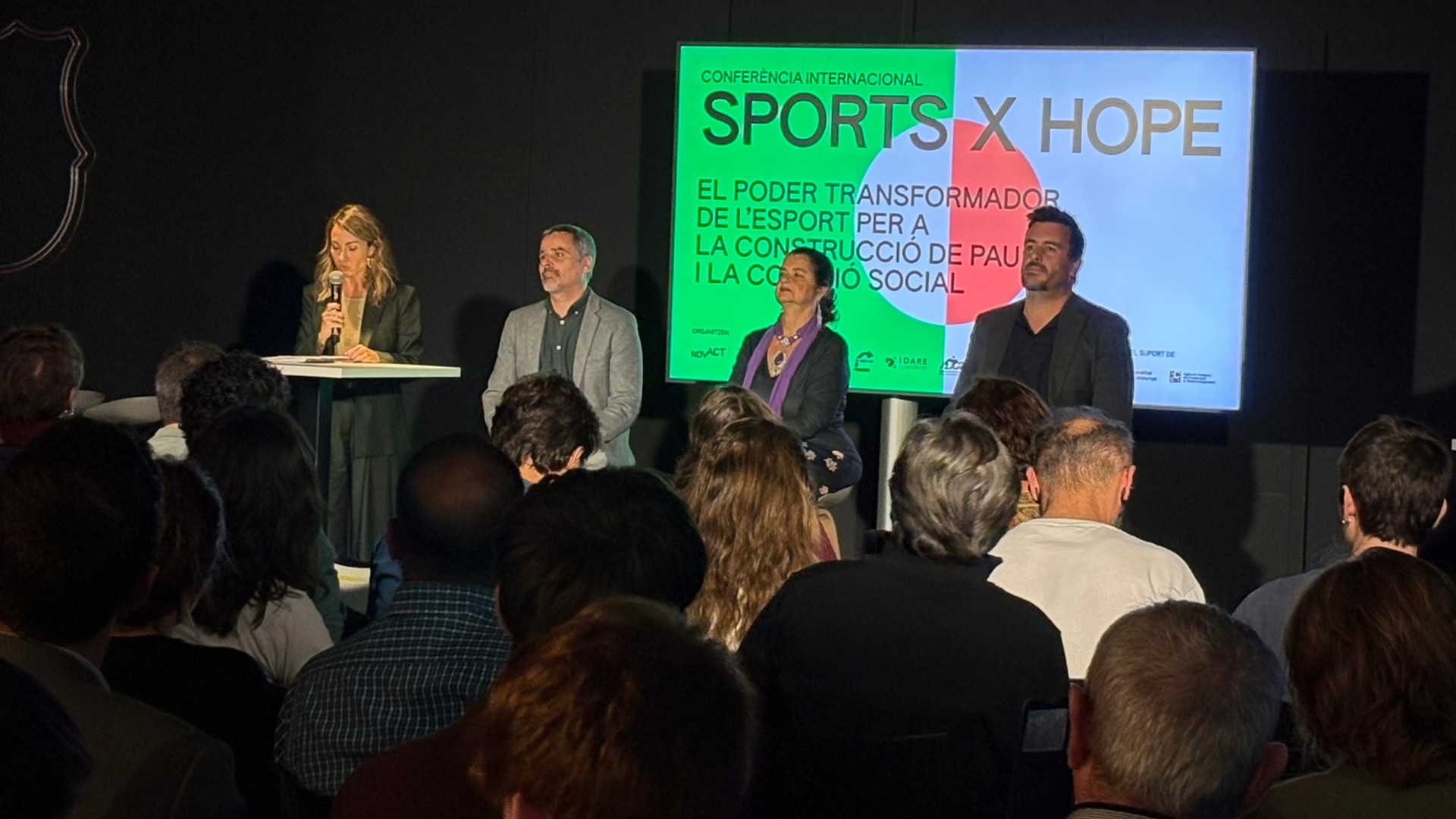
The conference, organised by the NOVACT Institute for Nonviolence, brings together sports clubs, organisations and institutions to discuss how sport can foster peaceful coexistence, from Hope League academies in Syria, Iraq and Jordan to neighbourhoods in Sabadell, Madrid and Rome.
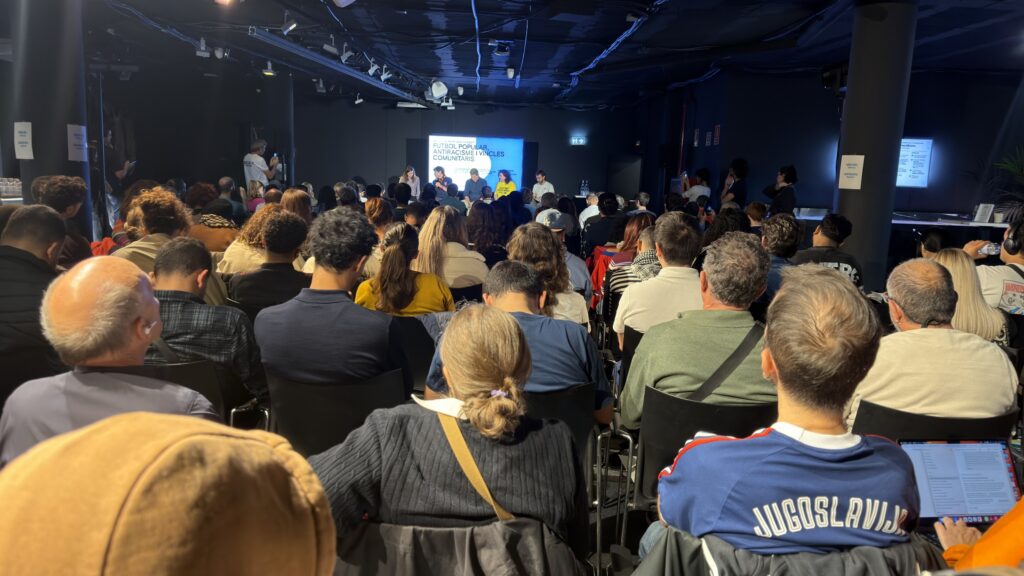
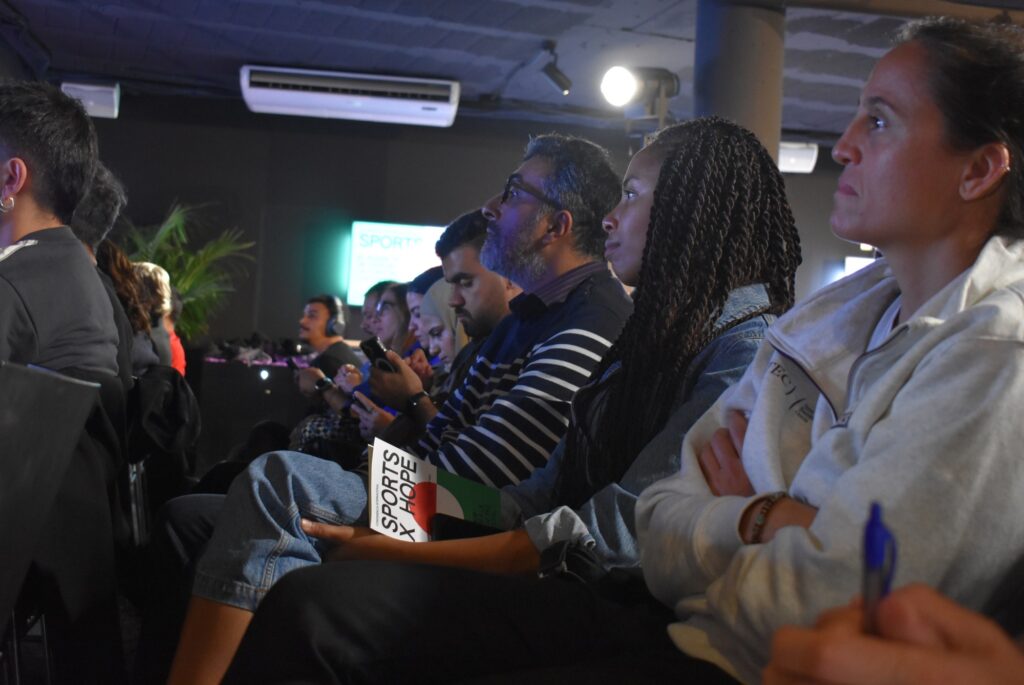
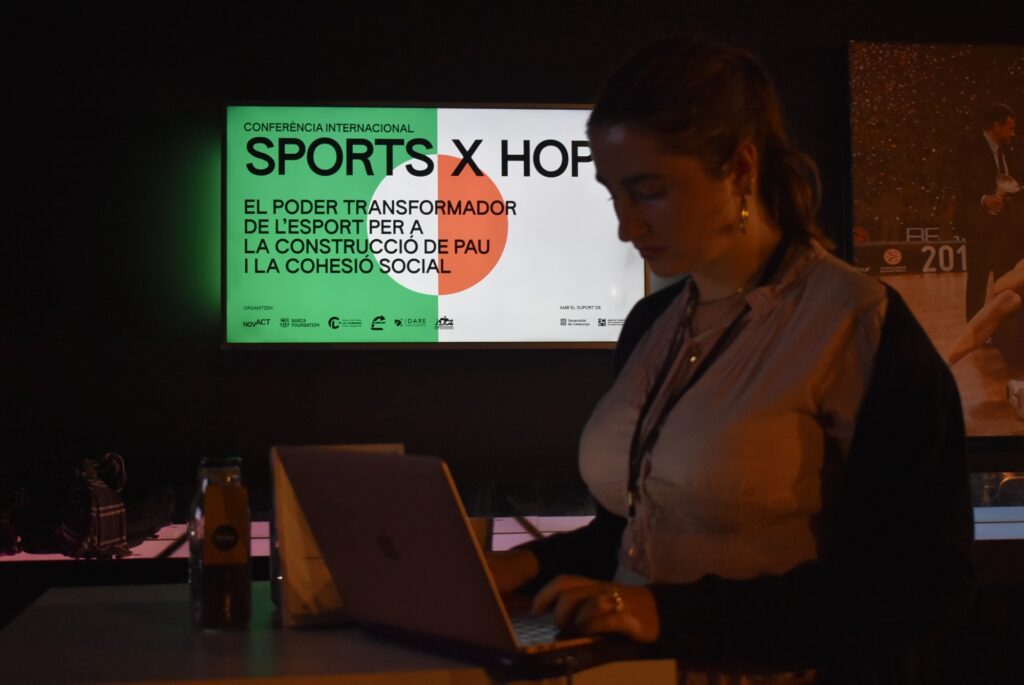
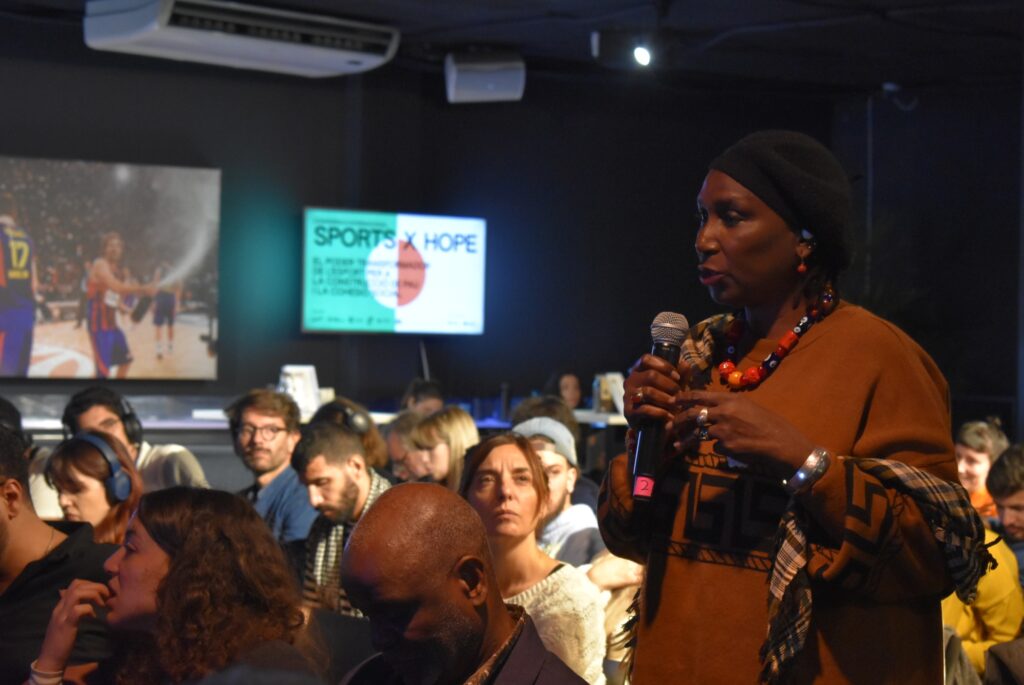
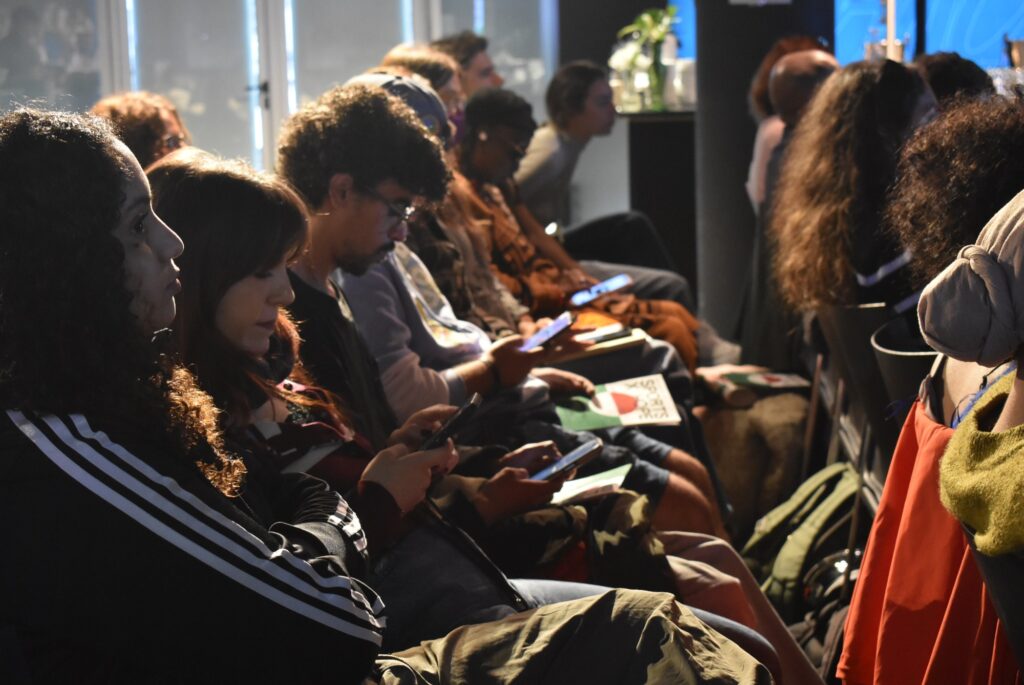
The Sala París at Camp Nou was packed on Thursday for Sports X Hope, an international conference organised by the NOVACT Institute for Nonviolence around one central question: what does it take for football to genuinely foster peaceful coexistence? Among the audience were representatives of sports clubs, organisations and institutions, as well as activists from different Mediterranean countries taking part in The Nonviolence Factory, the international training and exchange gathering on nonviolent resistance organised by NOVACT together with Irídia, which is celebrating its fourth edition in Barcelona this week.
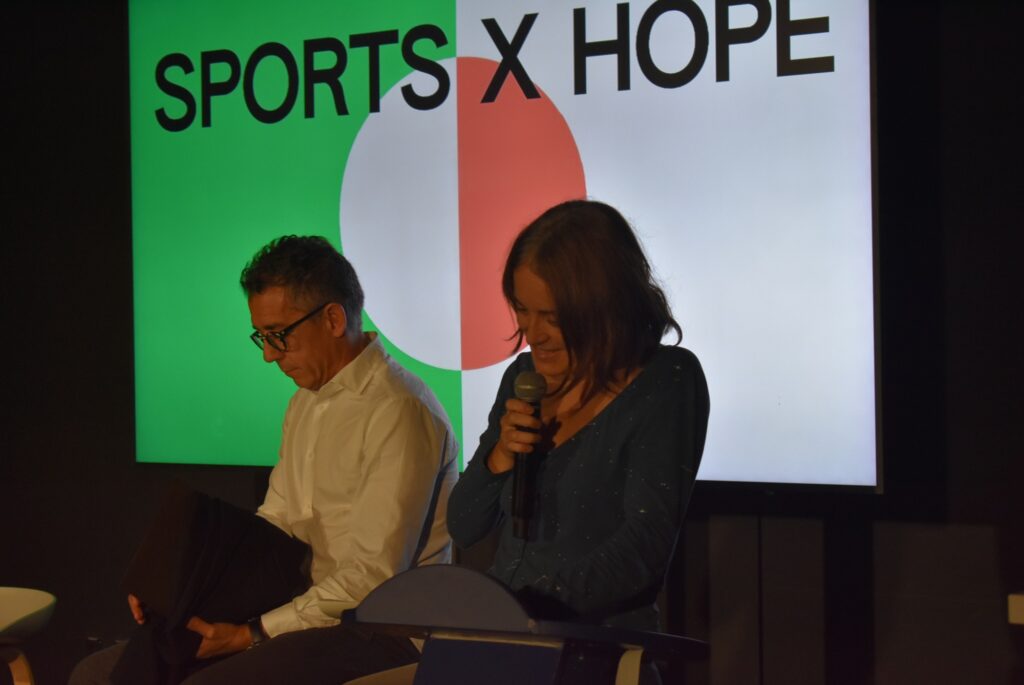
The event, hosted by La Vanguardia sports journalist Anaïs Martí, took the Hope League as its starting point. This pilot project is led by NOVACT in partnership with the FC Barcelona Foundation, Escola de Futbol La Caserna, Un Ponte Per, IDARE and DOZ, and takes place on football pitches across Syria, Iraq and Jordan. One year after its launch, the league already brings together more than 1,700 children, one in three of whom are girls. Its teams bring together Arab and Kurdish, Muslim and Christian children, who play side by side.
During the welcome session, the project video was screened:
Peace is practised
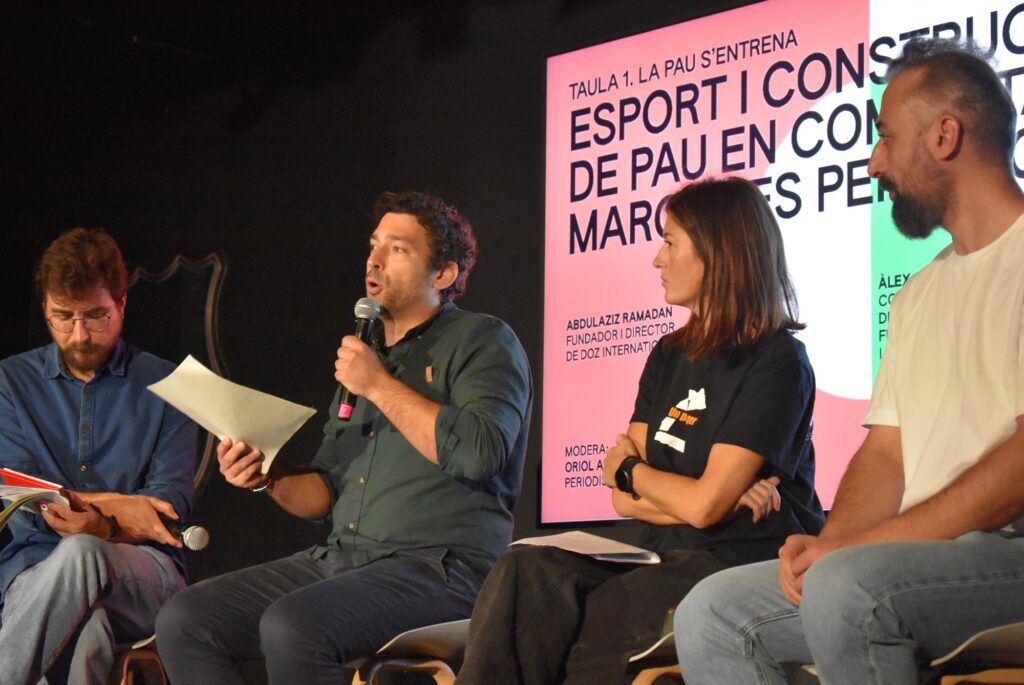
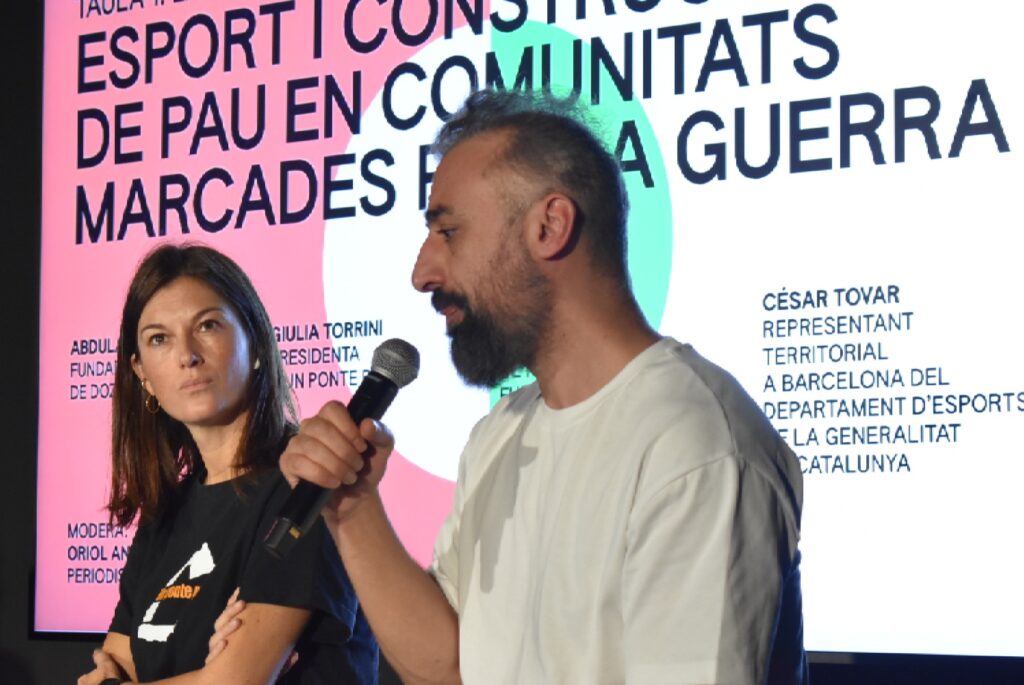
The first panel, moderated by Oriol Andrés, a journalist at Contrast, explored what is happening on the ground. Abdulaziz Ramadan, founder and CEO of DOZ International, the Hope League’s partner in northeast Syria and Iraqi Kurdistan, explained that when they first started, some families warned their children not to speak to children from other communities. Football, which is part of everyday life in every Syrian household, has become a meeting point. According to Ramadan, reaching children means reaching their families and the wider community — a population that politics cannot reach, but football can. The academies have become judgement-free spaces where trust has grown, along with the leadership of girls.
This approach is underpinned by a specific methodology. The Hope League model is based on SportNet, the FC Barcelona Foundation’s methodology, and on La Caserna’s experience in grassroots football. Àlex Canals, the Foundation’s project coordinator, explained that SportNet works in three stages: agreeing on rules as a group, putting them into practice during the match, and reflecting on them afterwards, so that what is learned on the pitch can also be applied off it. Local coaches have learned the method from La Caserna, which has provided them with hands-on training.
Giulia Torrini, president of Un Ponte Per, the Italian NGO working in the Middle East, North Africa and Eastern Europe, focused on girls living in patriarchal contexts and the “small everyday revolutions” that initiatives like this can set in motion. She gave the example of the Women’s Challenge Marathon, a cycling event organised by Un Ponte Per in Mosul, where women of different ages and religions rode through the streets of the city that had once been the capital of the Islamic State.
The panel concluded with an uncomfortable but necessary question: what happens when a pilot project comes to an end? The answer pointed to the people in the community, starting with local coaches: they are the ones who need to make the project their own to ensure it continues.
The neighbourhood plays as a team
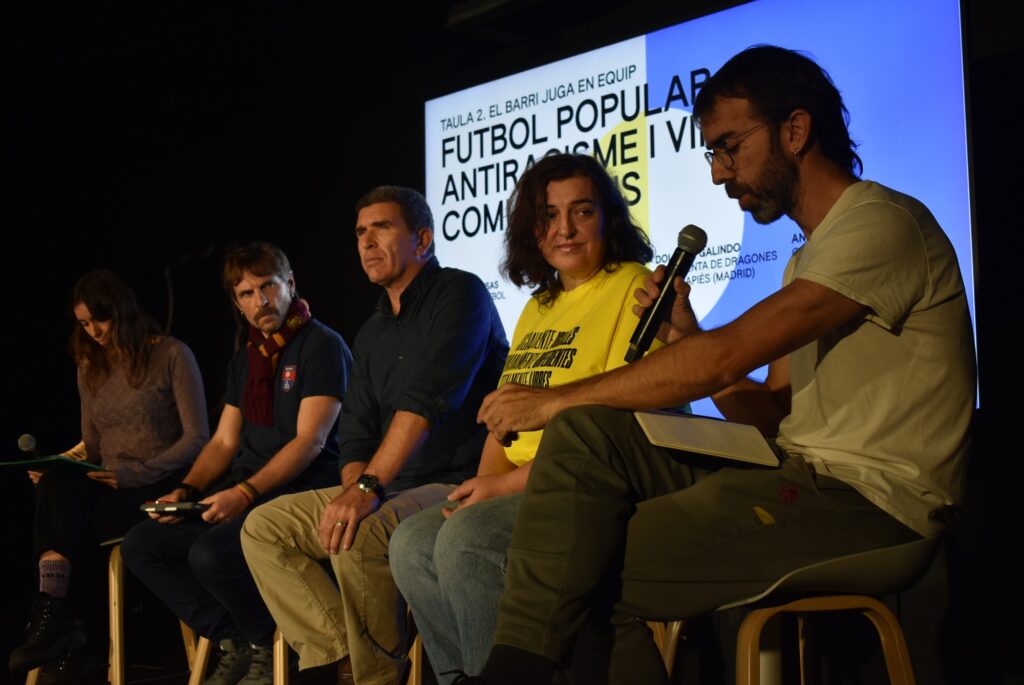
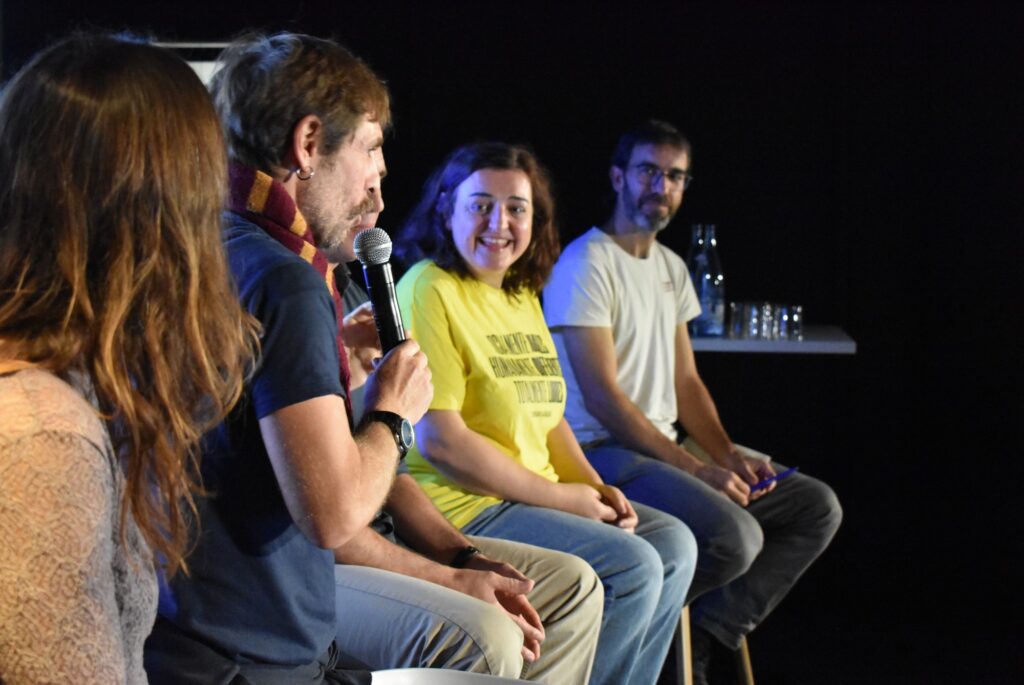
The second panel, moderated by journalist and Olympic artistic swimming medallist Clara Basiana, brought the debate down to the neighbourhood level, raising the question of what kind of sport we stand for and who it should serve. Oleguer Presas, from Escola de Futbol La Caserna, a grassroots, self-managed football school in Sabadell, pointed out that more than 4,000 children in Catalonia are unable to register with a football federation due to their administrative status. La Caserna finds friendly leagues where they can play and collectively covers the fees for families who cannot afford them.
Dolores Galindo is the president of Dragones de Lavapiés, the club founded twelve years ago in one of Madrid’s most diverse neighbourhoods. She argued that methodologies are useful, but that what truly builds a culture of peace is having clear values: feminism and anti-racism. Giovanni Castagno, president of Esquilino Football Club, which was founded at a public school in a neighbourhood of Rome, explained that grassroots football in Italy is shaped by social class, and that many families go into debt to pay the fees.
The panel also addressed how conflicts within a team are managed. Andrés Barrientos, from the School for a Culture of Peace, explained that coexistence needs to be intentionally fostered: everyone must agree on how they want to live and work together and, when someone strays from those agreements, set proportionate boundaries, always accompanied by dialogue, because punishment alone does not work. Presas illustrated this with his club’s experience, where they do not shy away from conflict but use it as an opportunity to learn, taking a restorative approach rather than resorting to punishment.
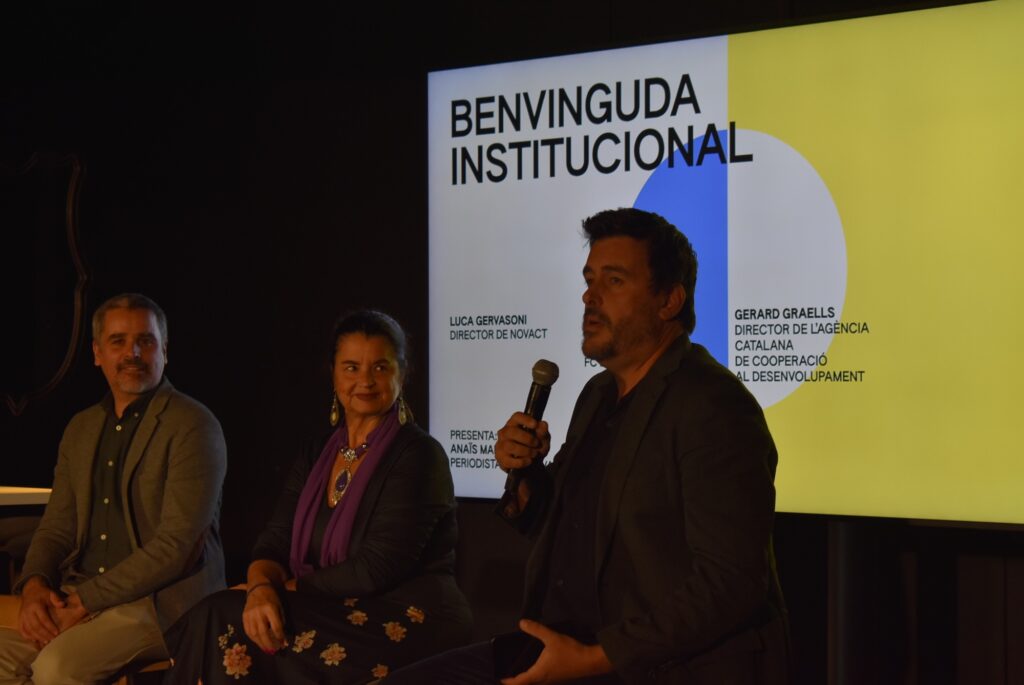
The institutional welcome was delivered by Marta Segú, director general of the FC Barcelona Foundation; Gerard Graells, director of the Catalan Agency for Development Cooperation; and Luca Gervasoni, director of NOVACT. At the closing session, César Tovar, Barcelona territorial representative of the Government of Catalonia’s Department of Sports, called for sport to be a right in practice, not just on paper, while Mar Benseny, president of the Catalan Council for the Promotion of Peace, expressed regret that coaches from countries affected by conflict had been unable to attend the conference.
The league goes on.
Sports X Hope is an initiative by NOVACT, the FC Barcelona Foundation, Escola de Futbol La Caserna, Un Ponte Per, IDARE and DOZ International, with the support of the Catalan Agency for Development Cooperation of the Government of Catalonia.