

“10 Frames Unseen”: documenting disability in the West Bank through portraits
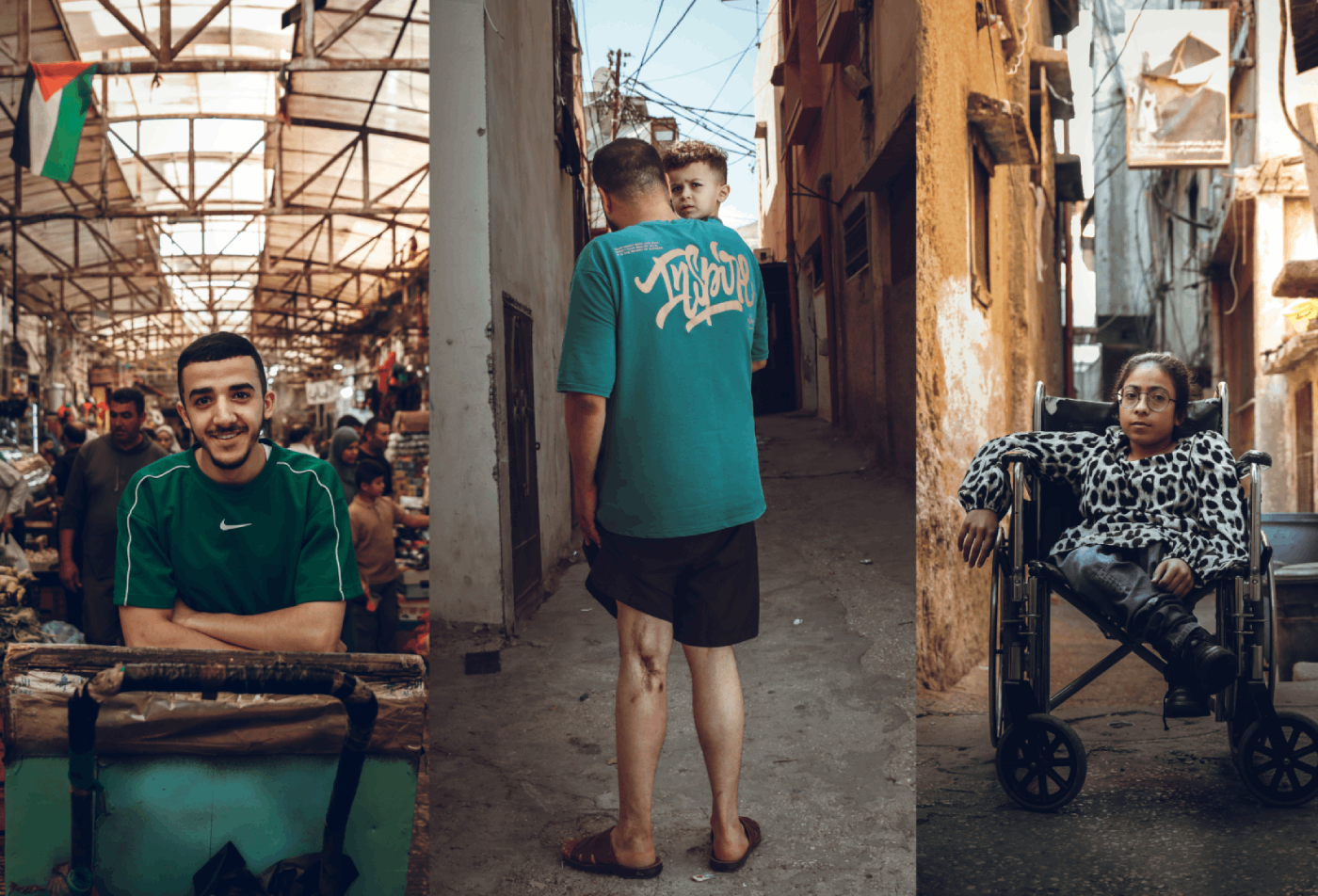
Ten portraits and ten testimonies show what happens when a military raid does not end with a headline, but with a permanent injury.
Violence does not end when soldiers leave. Nor when media coverage fades. In the West Bank, many injuries caused by military incursions and settler attacks become irreversible. Amputations. Lost mobility.
The exhibition “10 Frames Unseen” is part of the Defending Defenders initiative and focuses on a consequence that often remains invisible: disability resulting from violence.
After the raid
Through photography and first-person testimonies, the exhibition documents how a specific moment can turn into a lifelong condition in a context marked by movement restrictions and limited access to healthcare.

“I wonder if I will remain alive or suddenly be martyred. I lost the use of my right hand. I wonder if I will receive treatment and if my hand will work again,” says Amro Abdel Aal, from Balata camp, 16.
Facing reality
Each portrait is the result of a collaborative process between participants and photographers combining image and testimony to ensure individual voices remain central.
Beyond the physical injury, the exhibition shows how disability in this context is also shaped by structural barriers: checkpoints, permits and restricted access to treatment and assistive devices.
A project with momentum
The exhibition was presented during a cultural open day organised by NOVACT and the Palestinian Circus School in Birzeit (Ramallah). It has already received a proposal to be shown at a fair in Jordan, with the aim of beginning an international tour.
Making these stories visible is not an aesthetic exercise. It is a way of highlighting a direct and long-lasting consequence of violence that continues long after media attention moves on.